Well Water Testing —
Jones County, GA
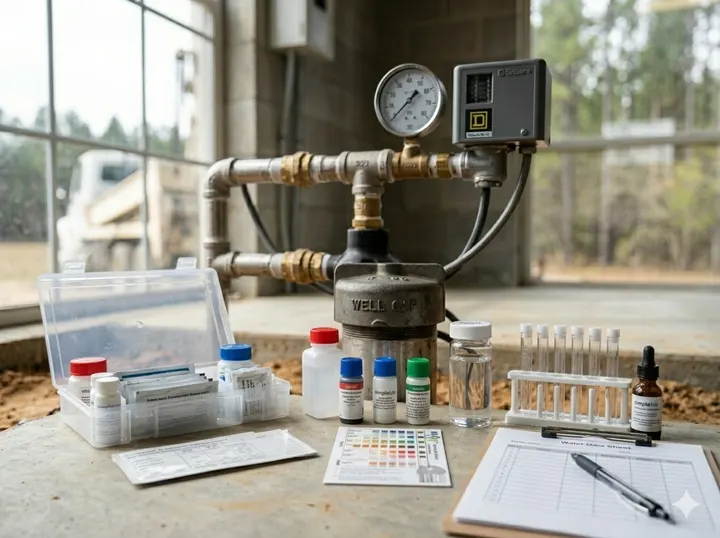
Well water testing is available throughout Gray and Jones County. Georgia recommends annual well water testing for every private well. In middle Georgia, iron staining, bacteria in well water, and hard water from limestone are the issues found most often — and they're all detectable with a basic well water quality testing panel. Samples are collected and sent to a certified lab, with results delivered in plain language you can actually understand.
How much does well water testing cost in Gray, Jones County, GA?
In Gray, Jones County, Georgia, well water testing starts at $50 to $150 for basic bacteria and coliform panels from certified Georgia laboratories, with comprehensive tests covering iron, manganese, nitrates, hardness, and pH costing more. Georgia recommends annual bacteria testing for all private well owners, and Jones County properties near farmland or with older casings should test without exception. Gray Well Drilling collects samples throughout Gray, Haddock, Round Oak, and all Jones County communities — results typically return within 3 to 7 business days with clear, actionable findings.
What Our Well Water Testing Covers
A comprehensive well water quality testing panel covers the contaminants most likely to affect private wells in Jones County and middle Georgia. Here is what each Jones County water testing panel tells you and why it matters for well water safety.
Bacteria & Coliform (E. coli)
Coliform water testing is the most critical part of any well water testing panel in Gray and Jones County. Bacteria in well water indicate that surface water or animal waste may be entering the well, pointing to a direct health risk. E. coli specifically signals fecal contamination. Georgia recommends annual well water testing at minimum to protect household well water safety.
High PriorityNitrates & Nitrites
Nitrates in well water come from fertilizers, septic systems, and animal waste that leach through the soil. They are especially dangerous for infants under six months and pregnant women. Jones County properties near farmland or older septic systems should include nitrate testing in their annual well water quality testing panel to confirm well water safety.
High PriorityIron & Manganese
Elevated iron is the most common well water quality issue in middle Georgia. You will typically notice it as orange or rust-colored staining on sinks, toilets, and laundry. Manganese causes dark brown or black staining and has its own health concerns at elevated levels. Both are treatable with the right filtration once confirmed through Jones County water testing and a certified well water test.
Very Common LocallypH Levels
pH measures how acidic or alkaline your water is on a scale of 0 to 14. The ideal range for drinking water is 6.5 to 8.5. Water that is too acidic can leach copper and lead from plumbing, causing metallic taste and health concerns. Jones County well water testing includes pH so both conditions are straightforward to identify and address.
Worth KnowingWater Hardness
Hard water contains elevated calcium and magnesium — minerals picked up as groundwater passes through limestone and sediment layers. Shallower wells in Jones County are particularly prone to hardness. Hard water leaves scale buildup in pipes, water heaters, and appliances, reduces soap effectiveness, and shortens appliance life. Annual water testing confirms the hardness level so the right water softener can be sized and installed.
Common in Shallower WellsTurbidity
Turbidity measures the cloudiness or haziness of water caused by suspended particles — sediment, clay, organic matter, or microbial growth. High turbidity can interfere with disinfection and signals that the well casing or seal may have been compromised. After flooding or construction near a well in Jones County, well water testing that includes turbidity is especially important.
Post-Flood PriorityCommon Well Water Quality Issues in Jones County
Middle Georgia geology and land use create predictable well water contamination patterns. Understanding what is common in your area helps you know what to look — and test — for.
When to Schedule Well Water Testing in Gray
Georgia's guidance is clear: annual well water testing for bacteria is essential. But there are additional situations that call for water quality testing even mid-year.
Annually — Bacteria & Coliform
The Georgia Environmental Protection Division recommends that all private well owners schedule Jones County well water testing for bacteria and coliform at least once per year. Unlike public water systems, private wells receive no routine regulatory oversight. Annual well water testing is the only way to catch contamination before it becomes a well water safety issue in Gray or anywhere in Jones County.
After Flooding or Heavy Storms
When floodwater reaches or surrounds a well, surface contaminants — bacteria, sediment, nitrates — can enter the wellbore. Any time your Jones County well has been inundated or surrounded by standing water, schedule well water testing before resuming normal use. This is not precautionary; it is necessary.
When Buying a Rural Property
If you are purchasing a home in Jones County with an existing well, request a full water quality testing panel before closing — or include it as a condition of the sale. You need to know whether the well water is safe to drink before you commit to living with it, and a well water test gives you negotiating leverage if treatment is needed.
After Any Pump Service or Well Work
Any time work is done on or near a well — pump replacement, pressure tank service, casing repair, or nearby excavation — there is a risk that outside material entered the well. Well water testing after service work confirms the water is safe to drink before normal use resumes. Responsible Jones County well contractors recommend water testing as a standard follow-up step.
If Water Smells, Tastes, or Looks Different
Sudden or gradual changes in your water — a rotten egg or sulfur smell, metallic or earthy taste, cloudiness, orange or dark staining you haven't seen before — are all signals that something has changed in the well or the surrounding aquifer. Do not ignore them. Schedule well water testing in Gray immediately to identify the source before using the water.
Every 3–5 Years for a Full Panel
Beyond annual bacteria testing, Georgia recommends a broader well water testing panel every three to five years — including nitrates in well water, pH, hardness, iron, and manganese. Groundwater chemistry can shift gradually with changes in land use, seasonal conditions, or well age. Water testing cost for a comprehensive panel is modest compared to the long-term view it provides of Jones County well water quality trends.
How Our Water Testing Process Works
From sample collection to results, we keep the process simple and make sure you understand what the findings mean for your household.
We Collect the Sample
A technician comes to your Jones County property and collects well water samples using sterile, certified collection containers. Proper sample handling is critical for accurate well water testing — contaminated containers or incorrect technique can produce false results. Professional collection ensures your water testing results are reliable.
Certified Lab Analysis
Samples are submitted to a Georgia-certified laboratory that meets state and federal water testing standards. The lab runs the full well water testing panel you selected — bacteria, nitrates, metals, pH, hardness, turbidity — using validated analytical methods.
Readable Results Report
Lab reports from your Jones County water testing are returned within 3 to 7 business days. We review the results and translate the numbers into plain language — what each value means, whether it is within safe ranges, and what the overall picture looks like for your well water quality and household.
We Explain the Findings
We walk you through the results directly — not a form letter. If everything looks clean, we tell you that clearly. If there are issues, we explain exactly what was found, at what level, and what that means for health and household use.
Treatment Recommendations if Needed
If well water testing results indicate bacteria, high iron, hard water, or nitrates in well water, appropriate treatment options are recommended — well disinfection, iron filtration, UV systems, water softeners, or whole-house filtration. Recommendations are specific to your actual water testing results, not generic product suggestions.
Well Water Testing — Frequently Asked Questions
Common questions from Jones County well owners about water quality testing.
What contaminants does well water testing check for?
The most common water quality issues in Jones County wells are elevated iron and manganese — causing orange or black staining on fixtures — hard water from calcium and magnesium in shallower limestone-influenced aquifers, and bacterial contamination in older or poorly sealed wells. Properties near farmland or that have experienced flooding also carry a higher risk of nitrate contamination from fertilizer and animal waste runoff. A basic water test panel will tell you exactly what is present in your well and at what levels, so you can decide whether treatment is warranted.
How long do water test results take?
Standard laboratory results are typically returned within 3 to 7 business days after sample collection. Bacteria and coliform results often come back faster — sometimes within 48 to 72 hours — because the test method requires incubation rather than complex chemical analysis. Comprehensive panels that include metals such as iron and manganese, along with chemistry parameters like pH and hardness, may take the full week. We contact you as soon as results are available and walk you through the findings.
How much does well water testing cost?
Water testing cost for basic bacteria and coliform well water testing in Jones County typically starts in the range of $50 to $150 depending on the lab and panel selected. A more comprehensive panel that includes nitrates, metals (iron, manganese), pH, and hardness involves more laboratory work and costs more. The right well water test depends on your property, its history, and any specific concerns you have. Contact us for current pricing — we work with certified Georgia labs and keep costs straightforward with no hidden fees for sample collection.
Is my well water safe to drink?
Whether your well water is safe to drink depends on what is in it — and the only way to know for certain is through well water testing. In Jones County, Georgia, private wells are not subject to municipal water regulations, meaning no government agency is monitoring your well water quality on your behalf. Common concerns in middle Georgia wells include bacteria in well water (especially in older or shallow wells), elevated iron and manganese, hard water from calcium and magnesium, and nitrates in well water near agricultural land. Georgia recommends annual well water testing for coliform bacteria at minimum. If your well has never been tested, or has not been tested in several years, water testing cost is modest — and a basic well water quality testing panel is the most reliable way to confirm it is safe for drinking and cooking.
What happens if my water test comes back positive for bacteria?
A positive bacteria or coliform result from well water testing means the water should not be consumed without treatment until the source is identified and resolved. The first response is well disinfection — we shock-chlorinate the well using a chlorine solution, allow a contact time for disinfection, flush the system, and then retest to confirm bacteria in well water have been eliminated. If contamination persists after disinfection, we inspect the well casing, well cap, and surrounding area for structural issues that may be allowing surface water to enter. For wells with recurring bacterial problems, a UV disinfection system provides ongoing protection against future contamination events.